
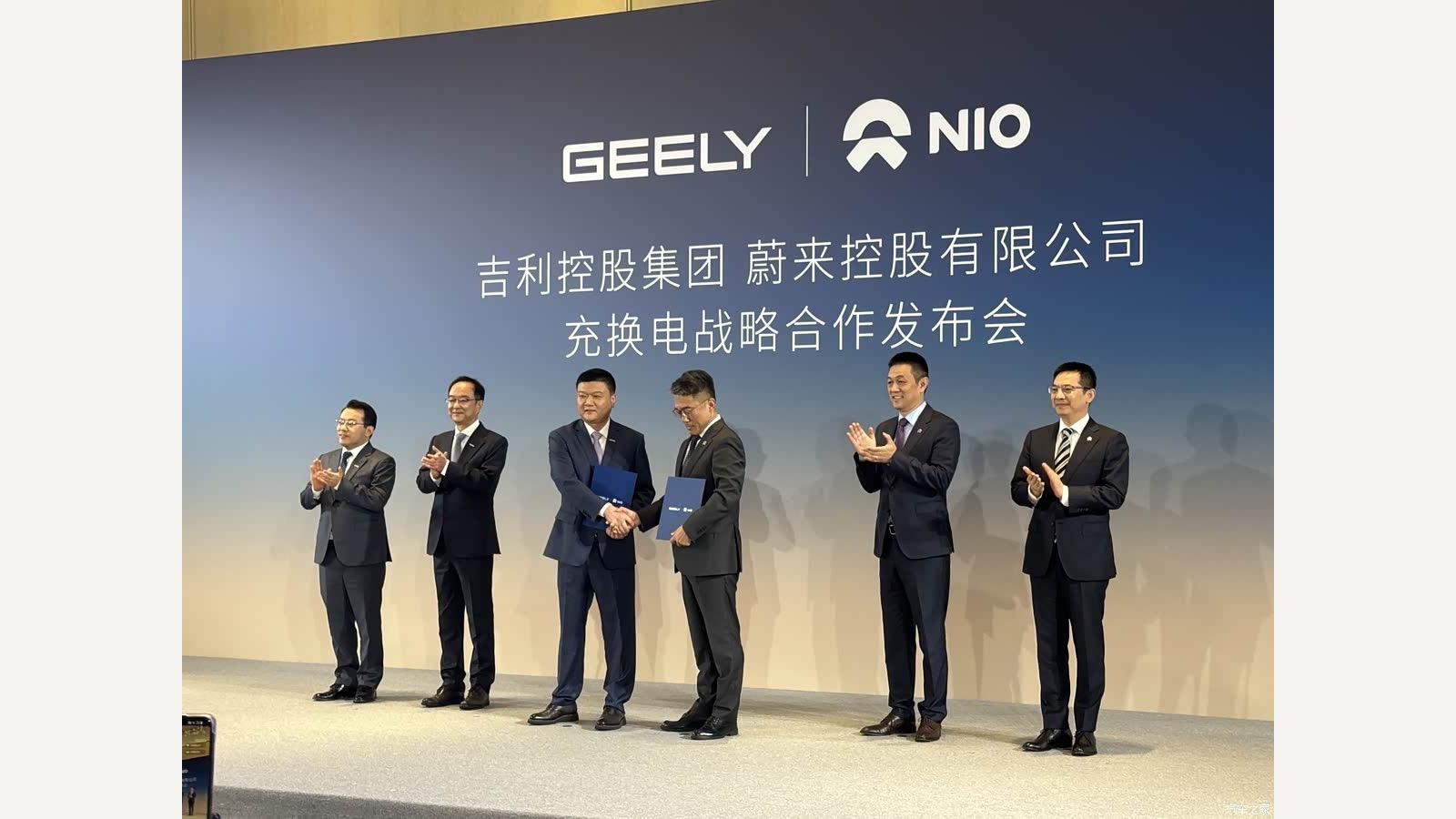
Nio and Geely Holding Group signed a comprehensive strategic agreement covering battery swapping and charging on September 28, 2026. Geely will take a 30% stake in Nio Power after contributing its Yiyi Mobility operation and RMB 640 million in cash, while Nio will acquire 10% of Geely subsidiary Haohan Energy.
How the equity transactions are structured
The agreement links Nio and Geely through two equity transactions. Geely will contribute 100% of its Yiyi Mobility shares and RMB 640 million in cash to Nio Power. After completion, Geely Holding Group will own 30% of Nio Power, and Yiyi Mobility’s commercial-vehicle battery-swap operations will be integrated into Nio Power.
Nio will invest in Haohan Energy, Geely Holding Group’s smart-charging subsidiary. After that transaction, Nio will own 10% of Haohan Energy.
What charging and swap targets were announced
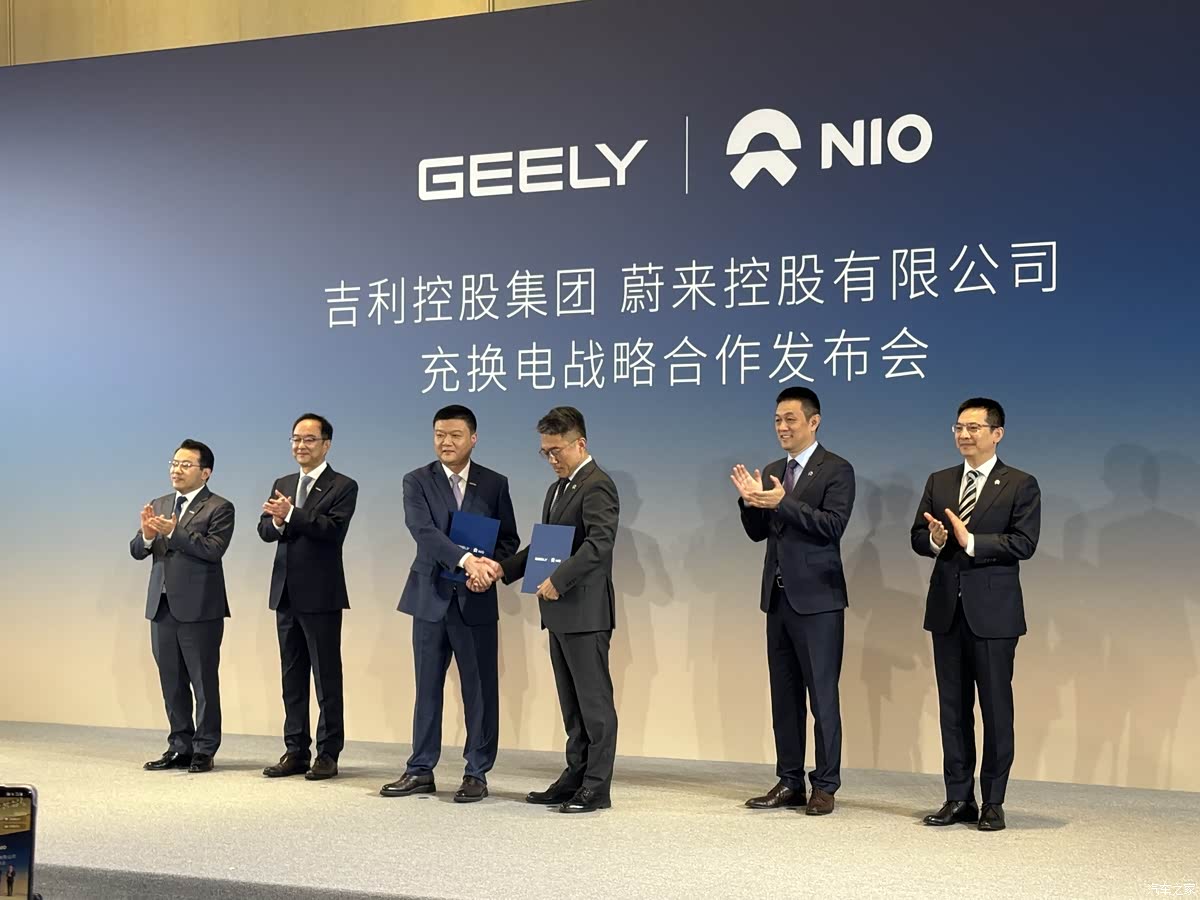
Nio and Geely will develop unified consumer battery-swap technology and standards. Geely plans to develop consumer vehicles compatible with battery swapping, and Nio Power will provide battery-swap services for those vehicles.
The cooperation covers three stated areas:
- Joint investment in the companies operating the two groups’ charging and battery-swap businesses.
- Shared charging and battery-swap technology and standards.
- Interconnection of charging resources to expand network coverage and improve operating efficiency.
| Company or network | Target or transaction | Timing |
|---|---|---|
| Geely stake in Nio Power | 30% | After transaction completion |
| Nio stake in Haohan Energy | 10% | After transaction completion |
| Nio Power battery-swap network | 10,000 cumulative stations | By 2030 |
| Geely charging network | More than 22,000 stations and 100,000 connectors | By the end of 2027 |
| Geely smart-charging network | More than 15,000 stations and 50,000 connectors | By the end of 2027 |
Nio Power expects its battery-swap network to require more than 10 billion kWh of electricity annually when it reaches the 2030 target. Geely also plans charging coverage across China’s county-level cities by the end of 2027.