
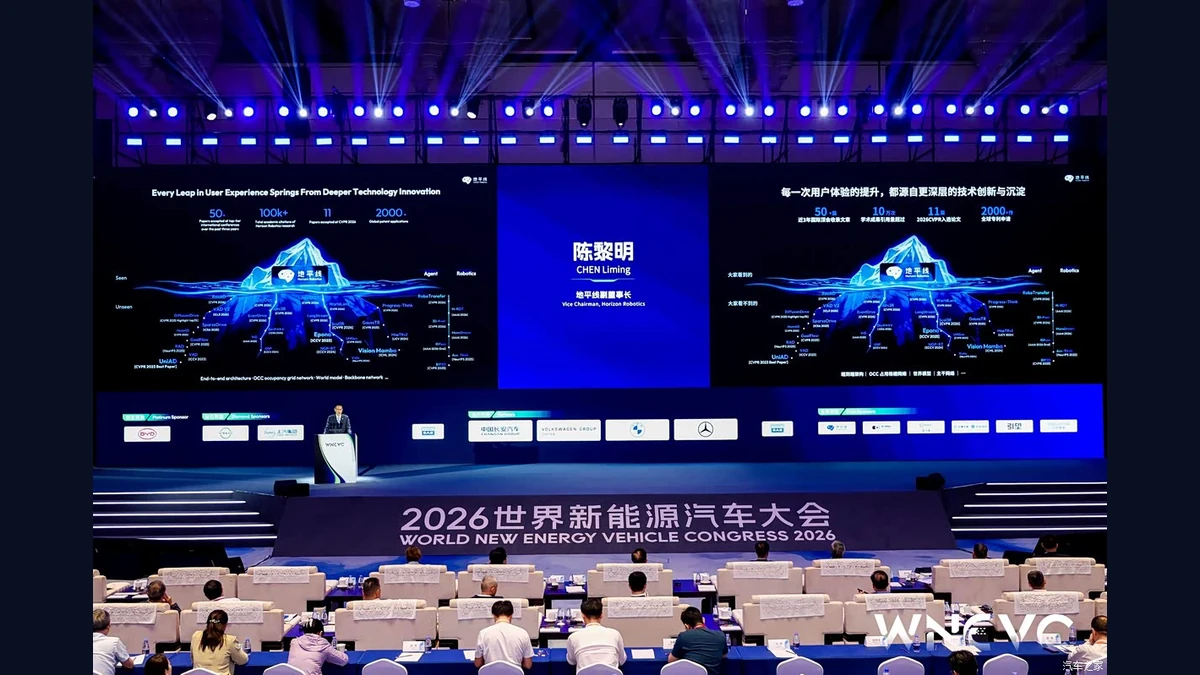
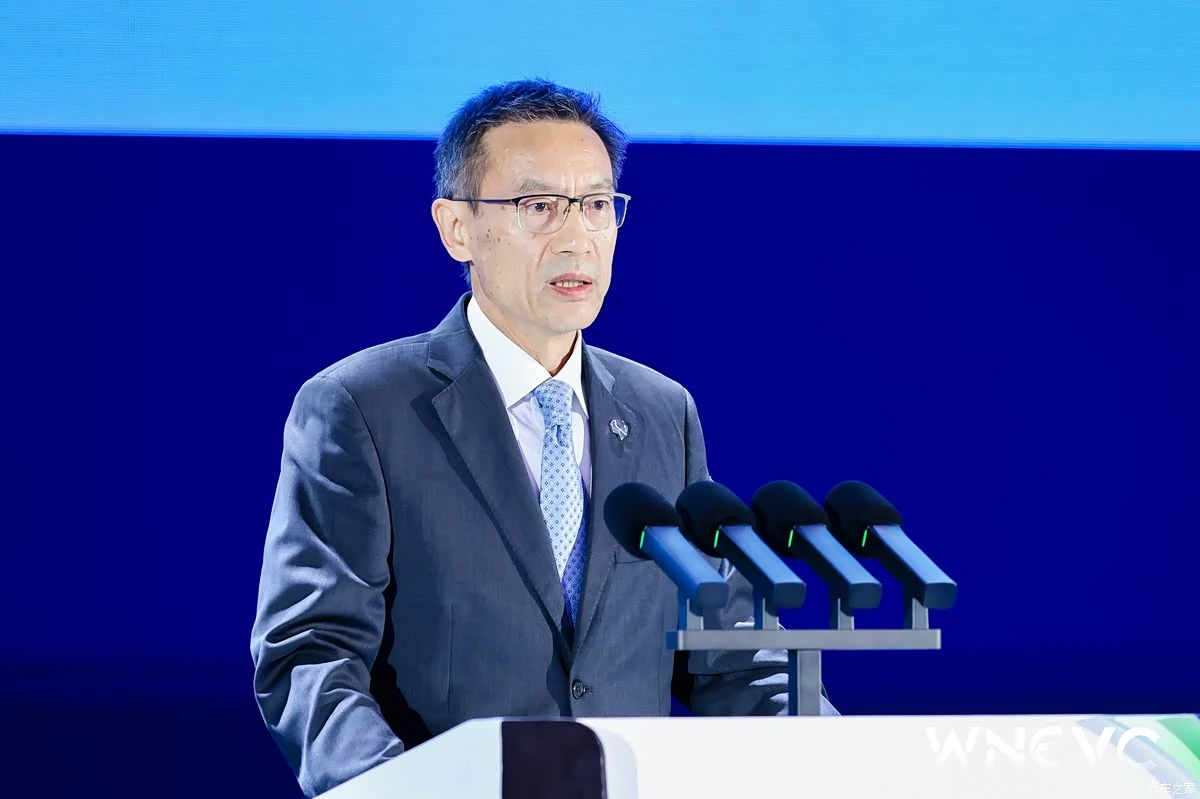
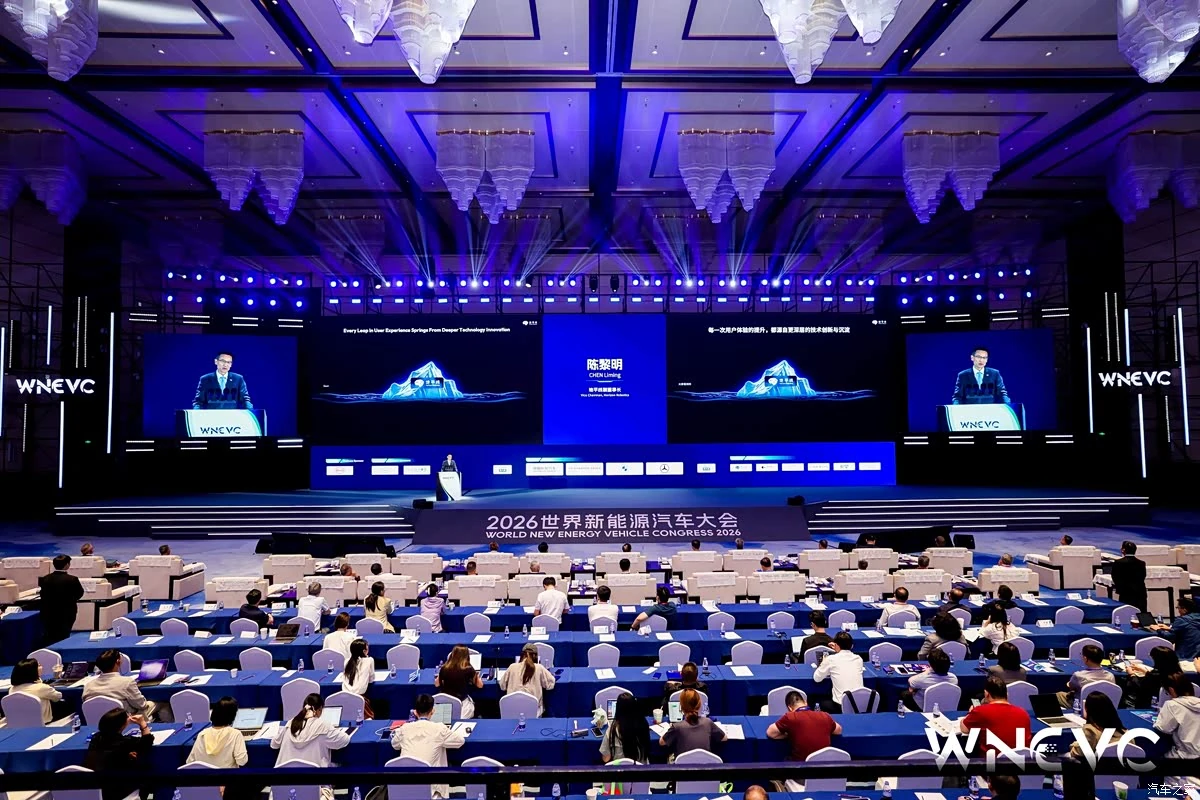
Horizon Robotics vice chairman Chen Liming said more than 60% of buyers chose urban-NOA-equipped higher trims on selected RMB 100,000–200,000 models during January–July 2026. Speaking at the World New Energy Vehicle Congress, he also said monthly HSD use per vehicle rose from 171 km in January to 573 km in August.
Urban NOA adoption and usage
Horizon Robotics based the high-trim selection figure on sales data for the Exeed ET5 and iCAR V27. Chen compared that result with an 18.7% industry average for similarly priced models offering multiple configurations.
| Metric | Period or basis | Horizon-stated result |
|---|---|---|
| Urban-NOA-equipped higher-trim selection | Exeed ET5 and iCAR V27, January–July 2026 | More than 60% |
| Industry-average higher-trim selection | RMB 100,000–200,000 multi-configuration models | 18.7% |
| Monthly HSD use per vehicle | January 2026 | 171 km |
| Monthly HSD use per vehicle | August 2026 | 573 km |
| Change in monthly HSD use | January to August 2026 | Approximately 3.4 times |
HSD 2.0 performance claims
Horizon Robotics describes Horizon Super Drive as an L2 advanced driver-assistance system using a single end-to-end model for longitudinal control, lateral control and parking. HSD entered production in November 2025, while HSD 2.0 was introduced in June 2026 and adds functions including multi-point turns on narrow roads.
Chen presented four company-stated HSD 2.0 improvements:
- 20% faster overall response
- 50% higher parking success rate
- 56% improvement in safety performance
- 167% improvement in traffic negotiation capability
Stargazer integrated chip figures
Horizon Robotics also presented its Stargazer cockpit-driving integrated chip series. The company said software-hardware co-design allows the platform to combine cockpit and driver-assistance processing while reducing component and development requirements.
| Item | Horizon-stated figure |
|---|---|
| Process | 5 nm |
| AI computing | 650 TOPS |
| GPU computing | 3,000 GFLOPS |
| CPU performance | 500K DMIPS |
| Supported displays | Six |
| Chip-count reduction | 50% |
| Development-investment reduction | 70% |
| Memory requirement | Reduced from 48 GB to 28 GB |
| Estimated vehicle cost saving | RMB 1,500–4,000 |