
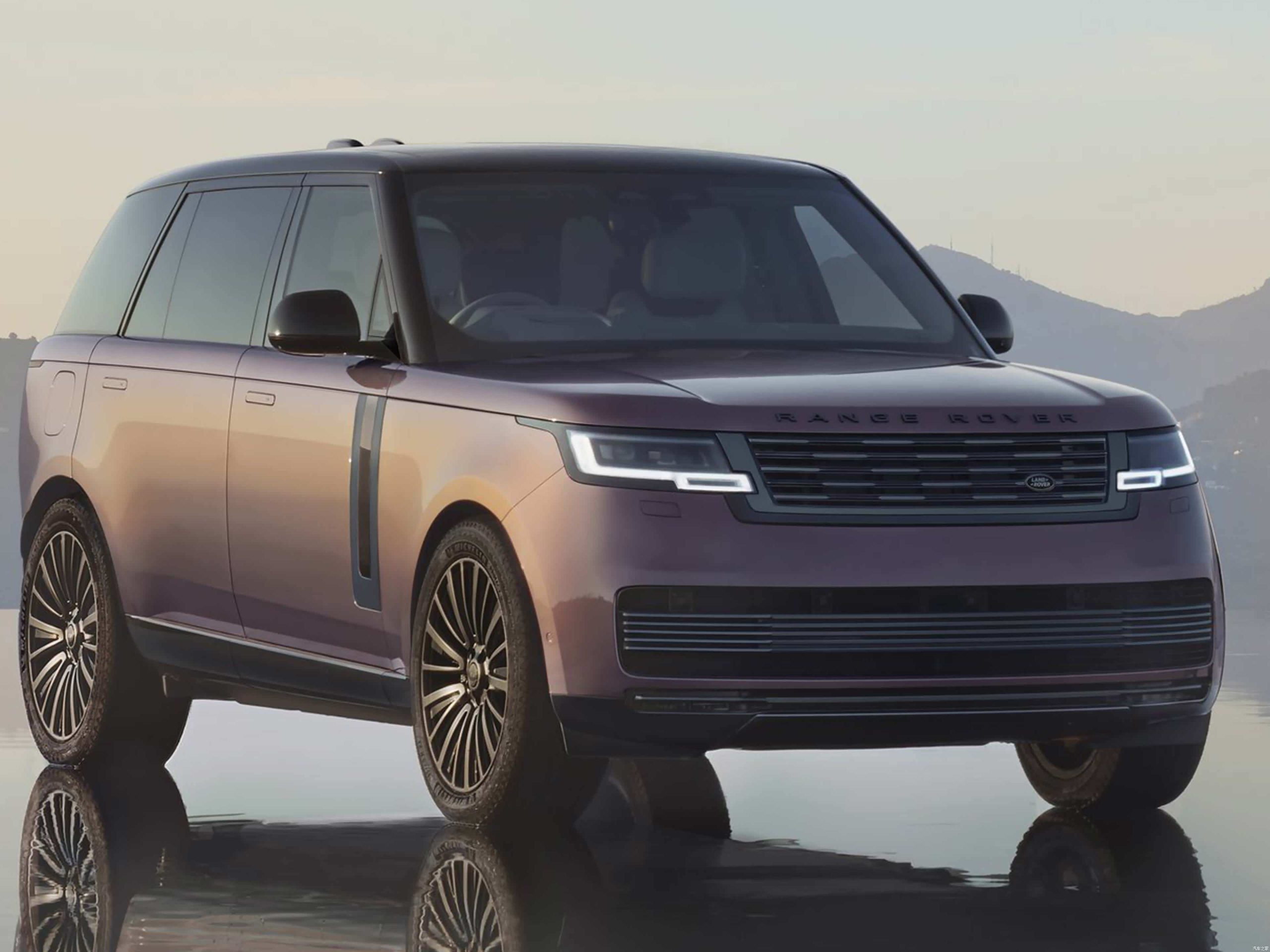
Range Rover has released official images and specifications for the Range Rover Electric. The battery-electric SUV produces 550 hp and 850 Nm, accelerates from zero to 100 km/h in 4.5 seconds and offers up to 600 km of WLTP range. Its 118.5 kWh usable battery supports an 800V electrical architecture and DC charging at up to 350 kW.
What changes distinguish the Range Rover Electric?
The Range Rover Electric retains the recognizable exterior design of the combustion-powered model. Changes include an aerodynamically optimized front grille and wheel designs, together with dedicated underbody treatment intended to improve high-speed efficiency. The launch edition is offered in Belgravia Green, Santorini Black and Varesine Blue.
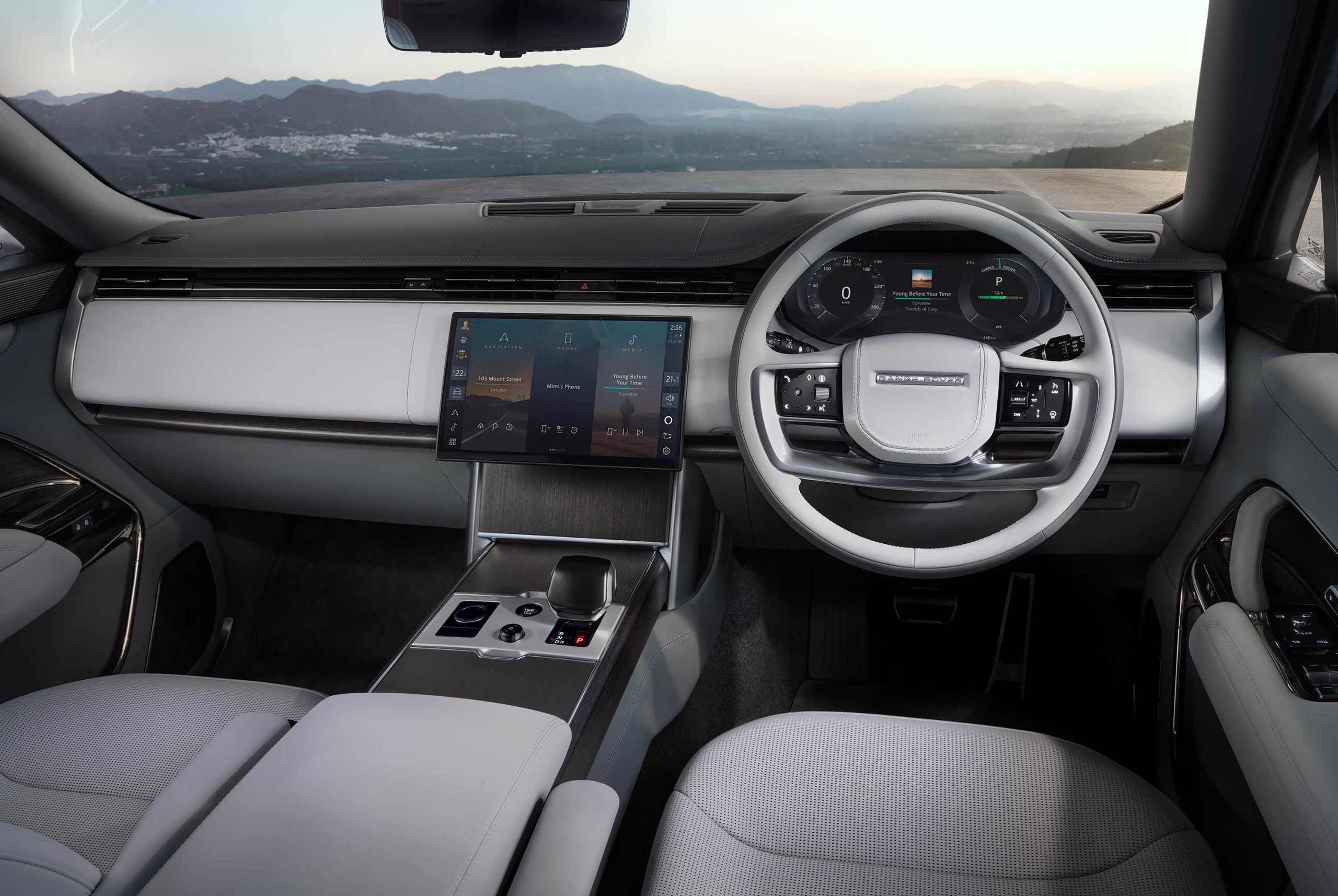
The Range Rover Electric cabin also follows the existing model’s layout. It introduces a Light Cloud Gray interior using Ultrafabrics PU material and Kvadrat wool-blend trim. Remote functions allow the owner to activate cabin air purification or steering-wheel heating, check the door-lock status and vehicle location, and view remaining charge and estimated range. Charging sessions can also be scheduled through the application while the vehicle is connected.
What are the power, battery and range figures?
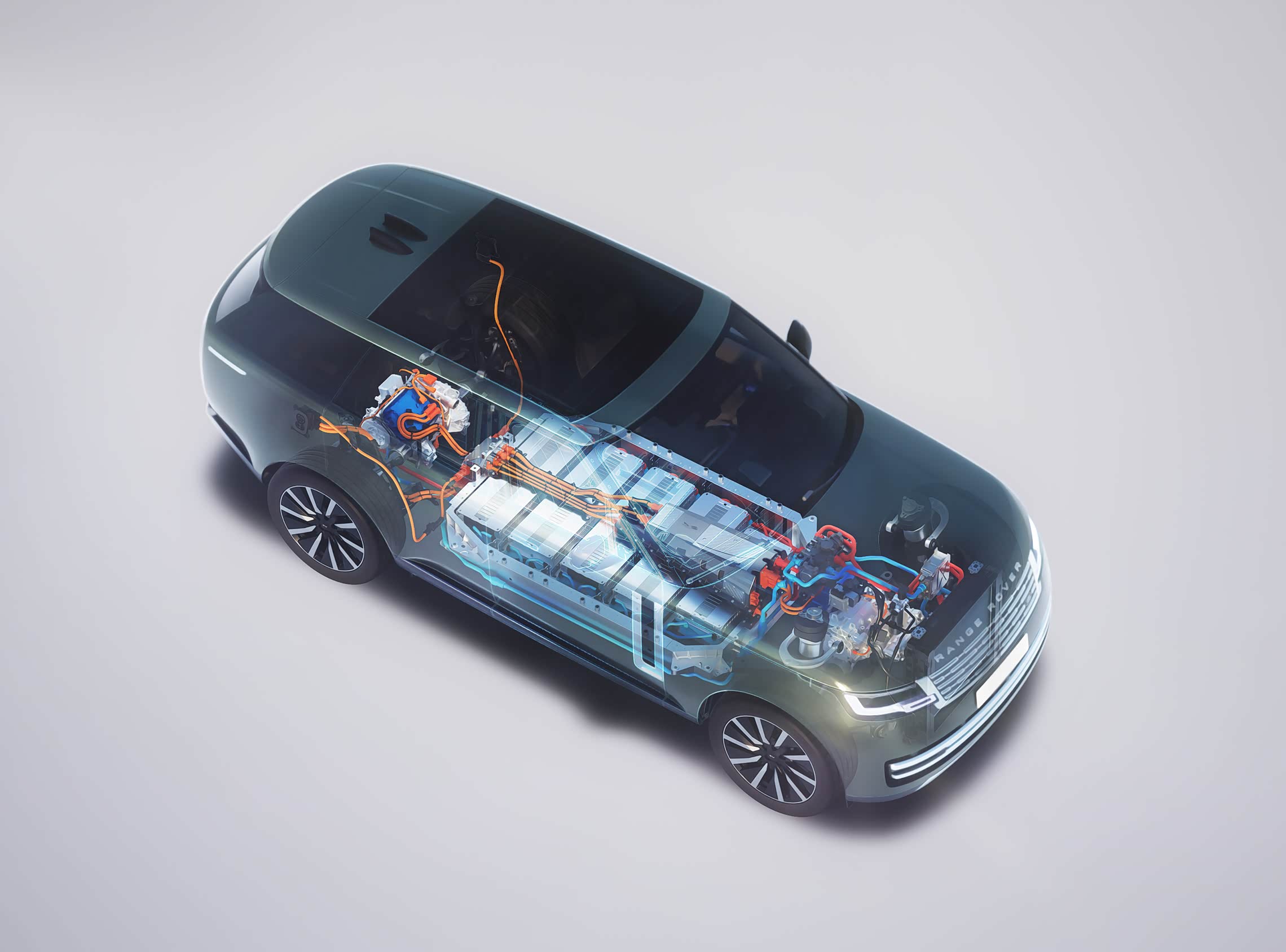
The Range Rover Electric uses two permanent-magnet synchronous motors with a combined output of 550 hp and 850 Nm. It can accelerate from zero to 100 km/h in 4.5 seconds and from 80 to 120 km/h in 2.7 seconds. The stated maximum range is 600 km under the WLTP cycle and up to 535 km under real-road conditions.
| Specification | Range Rover Electric |
|---|---|
| Combined output | 550 hp |
| Peak torque | 850 Nm |
| 0–100 km/h | 4.5 seconds |
| 80–120 km/h | 2.7 seconds |
| Usable battery capacity | 118.5 kWh |
| Battery cells | 344 prismatic cells |
| Maximum WLTP range | 600 km |
| Maximum real-road range | 535 km |
| Maximum DC charging power | 350 kW |
| Maximum wading depth | 900 mm |
The double-layer lithium-ion battery contains 344 high-energy-density prismatic cells. Range Rover’s native vehicle architecture was designed with space for the electric drive system, while the 800V architecture supports the stated charging performance.
How quickly does the Range Rover Electric charge?
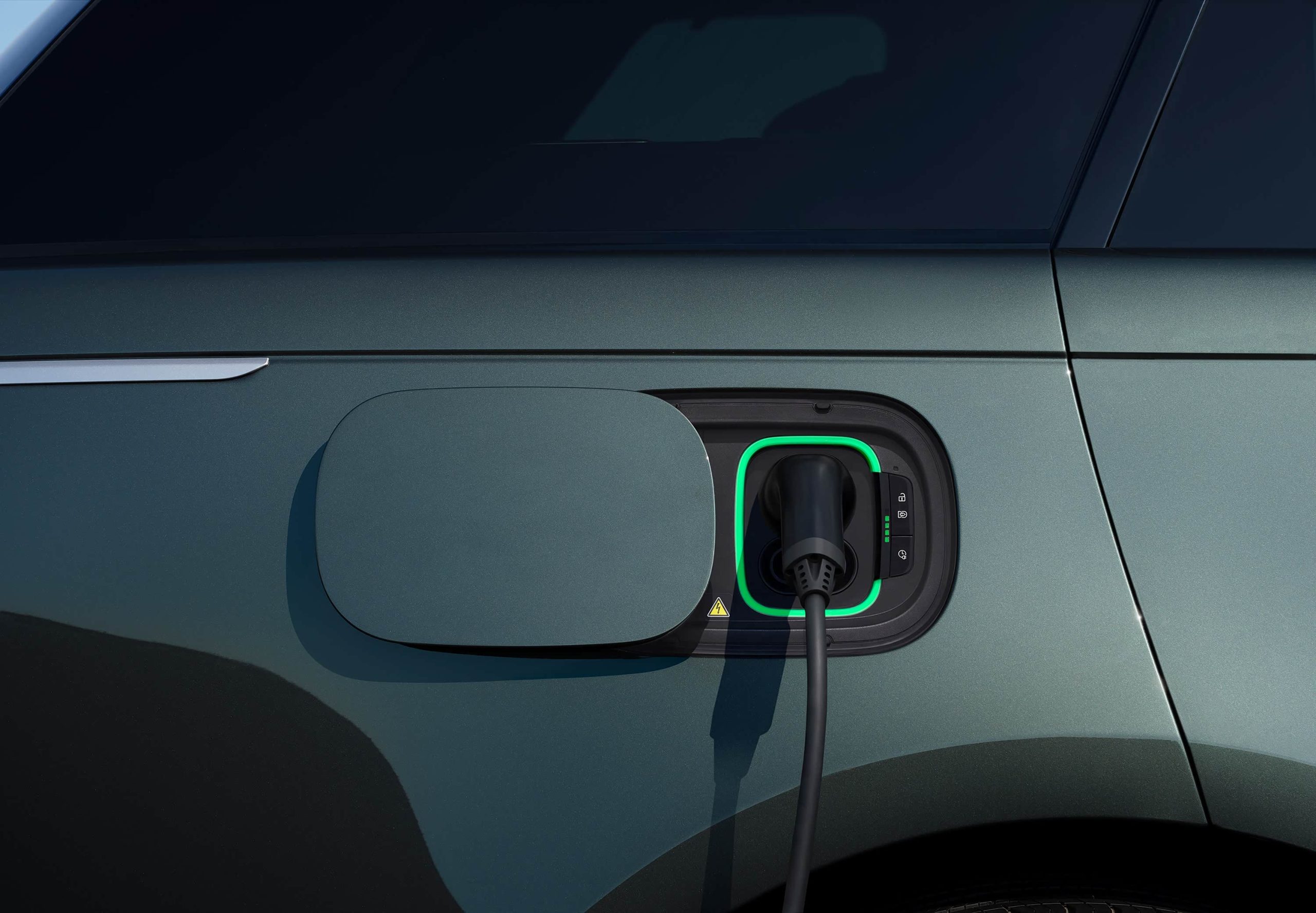
The Range Rover Electric can charge from 10% to 80% in approximately 22 minutes when connected to a compatible public DC charger delivering up to 350 kW. At maximum charging power, a 10-minute session can add 220 km of WLTP range.
The ThermAssist thermal-management system is designed to optimize range, charging speed, battery life and performance in extreme temperatures. The manufacturer states that the system can add up to 40 km of range and reduce heating energy consumption by 40%.
How does the electric traction system operate?
The Range Rover Electric’s intelligent dynamic drivetrain can vary rear-axle torque distribution continuously from 0% to 100%. Its integrated traction-management system controls motor speed within 50 milliseconds, with wheel-slip response stated to be up to 100 times faster than that of a conventional combustion vehicle.
The traction system works with a new one-pedal driving mode. The vehicle can make a smooth hill start on a 33-degree slope and climb a maximum 45-degree slope while moving. Maximum wading depth is stated at 900 mm.
Each Range Rover Electric also has a battery digital-twin system that provides more than 900 diagnostic data points. Together with the brand’s software-over-the-air update capability, the system supports proactive vehicle maintenance.